

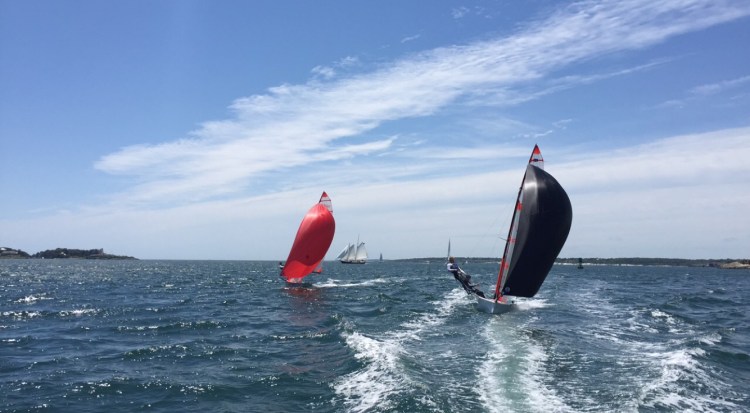
Newport is absolutely the place to be in the summer. Where the magically classic 12 meters meet the carbon Marstrom 32s as they switchback the Narragansett Bay. The combination of sailing’s past and present zipping beneath the Jamestown Bridge is inspiring, and the level of talent at this year’s 29er Nationals proved worthy of such a stage.
Most of the sailors in the 35 boat fleet spent a few weeks in Newport at the Brooke E Gonzales and ODP Clinic, giving teams a good amount of time working on boat mechanics and transitions under the direction of the nation’s best coaches.
FLIP THE SWITCH
During the event itself we saw consistent sea breeze conditions, the heating element of Providence switched on every day by mid-morning. The breeze consistently clocked between 170 and 245 throughout the week. These fluctuations however were relative to geographical factors on each side of the course. And the fleet caught on quickly.
KNOW YOUR VENUE
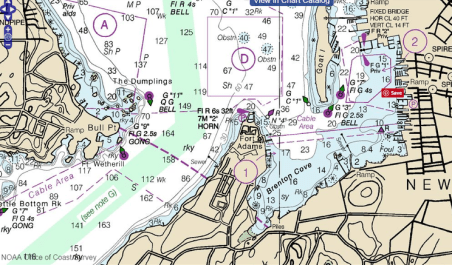 With the 29er course tucked in between Goat & Rose Islands, the most significant environmental factors we saw were tidal. The deep water at the center of the bay and shallows near Goat Island created super charged flood and ebb currents.
The biggest lesson for our competitors was DO YOUR HOMEWORK. Gathering information at the beginning of the day and monitoring conditions makes for best strategic planning, so we made sure to sync up our observations with tide charts. I stumbled on documents from the 2014 F16 Worlds that highlight tidal activity in the Narragansett Bay , this inspired a lot of research.
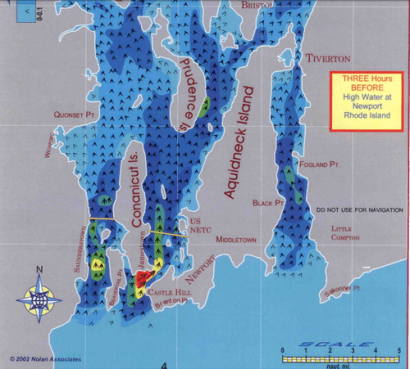
Consulting local knowledge gave some incredible insight in eddying factors that caused currents on the same course to move in different directions. I won’t give away anymore secrets here, but just reinforce that observation of fixtures like channel markers, lobster pots, and course marks was the most helpful.
Not only is the 29er class incredibly fun, but the take away of this event highlighted the relationship between success and understanding what’s going on beneath your boat. Factors such as depth, specific tidal cycles (max ebb, slack, max flood), and geographic factors that contribute to eddying, current’s strength and direction.
Well done to all the competitors!
 MULLER SAILING